I Work in Medical Device Integration. Here's What That Actually Means, Without the Jargon
Every time someone asks me what I do for a living, I go through the same little routine. I tell them I'm a System Architect on a Medical Device Integration team. And I get the look. The polite nod. The blank stare. The "oh, cool" that really means "I have no idea what you just…

Josh Koop
My test description to showcase on the template
Every time someone asks me what I do for a living, I go through the same little routine.
I tell them I’m a System Architect on a Medical Device Integration team.
And I get the look.
The polite nod. The blank stare. The “oh, cool” that really means “I have no idea what you just said, and I’m not going to ask.”
I don’t blame anyone for it. I’ve been doing device integration for about 20 years, and I’ve been in hospital healthcare IT for about 25, and I still catch myself explaining it with my hands.
But here’s the thing. If you’ve ever been in a hospital, as a patient or sitting next to someone you love, you’ve already seen my work. You just didn’t know it.
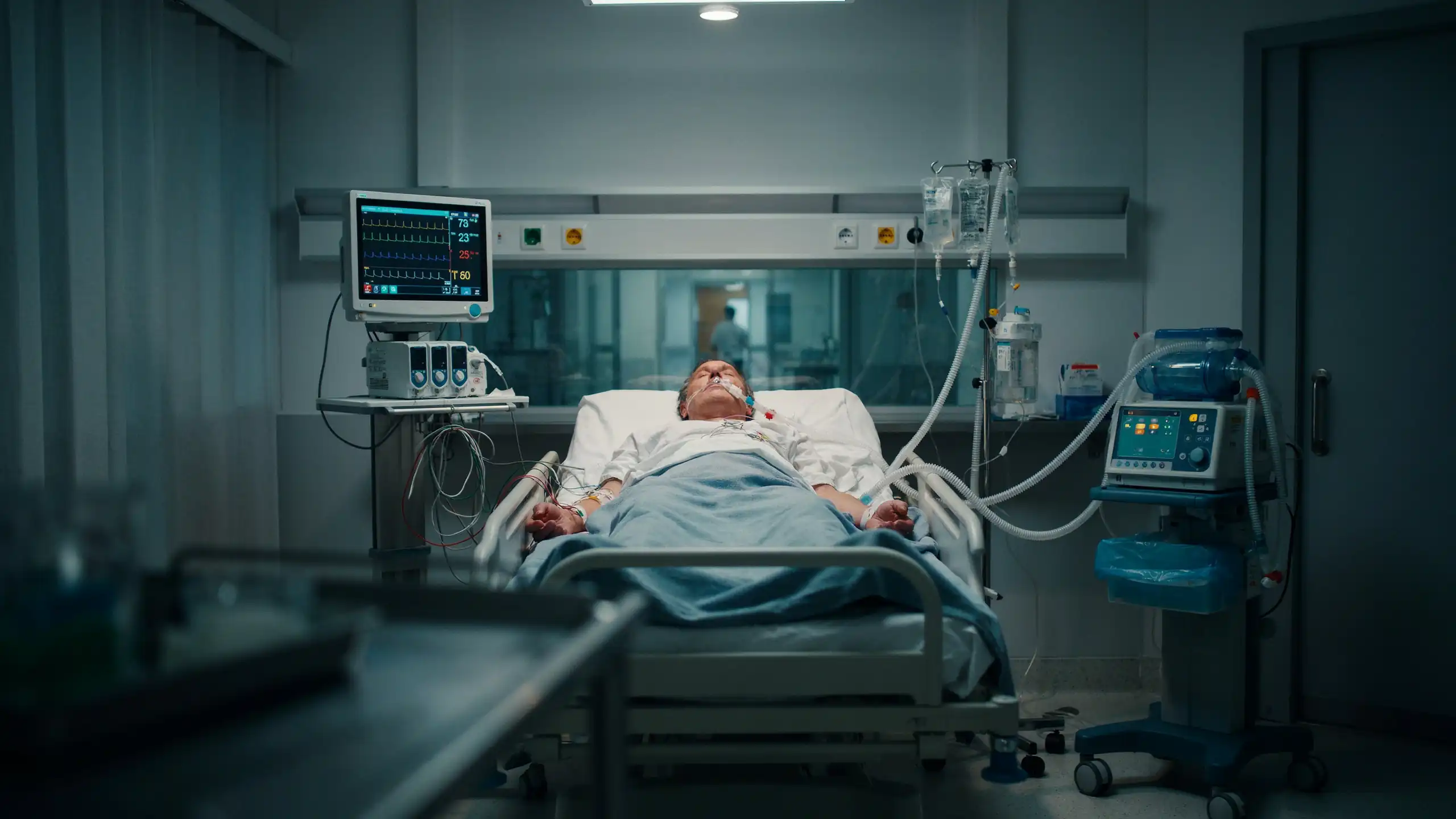
That monitor next to the bed, the one with the green lines and the numbers that beep when something changes?
What happens to those numbers after they show up on that screen is pretty much my whole job.
So let’s clear it up. No jargon, no acronym soup. Just what it is and why it matters.
The Short Answer: Getting Machines to Talk to the Chart
A hospital is full of machines that measure things about you. Heart rate, blood pressure, oxygen levels, breathing. The monitor at the bedside, the ventilator helping someone breathe, and plenty more.
Every one of those machines is generating information all day and all night.
Then there’s the EHR, the electronic health record. That’s your chart. It’s where doctors and nurses go to see what’s happening with you, make decisions, and document your care.
Medical device integration is getting those two worlds to talk to each other.
In other words, it’s making sure the numbers from the machines at your bedside end up in your chart accurately, attached to the right patient, at the right time, without someone having to copy them over by hand.
That’s it. That’s the short version.
The long version is where it gets interesting.
What It Looked Like Before: Nurses Hand Copying Every Number
Before integration, the process looked something like this.
A nurse walks into the room. Looks at the monitor. Reads the blood pressure, the heart rate, the oxygen level. Writes it down or holds it in their head. Walks to a computer. Types it into the chart.
Then does it again for the next patient.
And the next.
All shift long.
I’ll be fair here. Nurses are incredibly good at this, and they did it that way for decades. But any time a person copies a number from one screen to another, there’s room for mistakes. A flipped digit. The wrong patient’s chart open. A reading entered an hour after it was taken because a more urgent patient came first.
None of that is a knock on nurses. That’s just what happens when you ask people to be a human data cable on top of everything else they’re responsible for.
And honestly?
Every minute a nurse spends typing numbers is a minute they aren’t spending with the patient. That’s the part that matters most to me.
How a Number Gets From the Bedside to Your Chart
Here’s the simple version of the trip a single blood pressure reading takes.
First, the device takes the measurement. A monitor, a ventilator, whatever it happens to be.
Second, it sends that data out over the hospital’s network. Not every device speaks the same language, so the data usually goes through a middle layer first. Think of it like a translator sitting between the devices and the chart, taking what each machine says and putting it into a form the EHR understands.
Third, the system has to know whose data it is. That sounds obvious, but it’s one of the most important pieces of the whole thing. A monitor doesn’t automatically know who is lying in that bed. Somebody, or something, has to connect that device to the right patient, and disconnect it when that patient leaves.
Get that wrong and you’ve got the right numbers in the wrong chart.
Which is worse than no numbers at all.
Fourth, the data lands in the chart. In most setups, a nurse reviews it and confirms it before it becomes part of the official record. The machine does the copying. The nurse still does the thinking.
That last part is important. Integration doesn’t replace clinical judgment. If a reading looks off, maybe the patient was moving or a sensor slipped, the nurse can reject it instead of letting bad data into the chart.
If that feels like a lot of moving parts for one number, you’re right.
Now multiply it by every bed, every device, all day and all night, across multiple hospitals.
That’s the system I help design.
It Isn’t Just IT, and It Isn’t Just Biomed

This is where most people get it wrong, including plenty of people who work in hospitals.
Most hospitals have an IT department that handles computers, networks, and software like the EHR. They also have a Biomed team (clinical engineering) that takes care of the actual medical equipment, making sure the monitors and ventilators are working, safe, and ready for patients.
Medical device integration lives right in the middle.
We have to understand the devices well enough to know what data they produce and how they behave. We have to understand the network and the software well enough to move that data safely. And we have to understand how nurses and doctors actually work, well enough to know what they need and when they need it.
If you only know one of those three, you’ll build something that works great on paper and frustrates everyone in real life.
That’s why people come into this field from all kinds of backgrounds. IT, Biomed, nursing, even military electronics.
I got into device integration it’s not what people typically look for. I joined a team who managed advanced clinicals applications which included many apps and then my co-worker, Kim, asked me to be part of the Capsule application and without her I wouldn’t have found this beautiful madness.
What My Work Actually Looks Like
As a System Architect, my job is less about plugging in individual devices and more about designing how the whole thing fits together. Which devices connect, how the data flows, what happens when something fails, and how it all holds up across an entire health system.
Two things we’ve built give a good picture of what this work makes possible.
The first is our virtual ICU, or vICU. We built our own. It lets intensivists, doctors who specialize in critical care, remotely monitor critically ill patients. So a patient in the ICU has another set of expert eyes on them, even when that specialist isn’t physically in the building.
The second is our system telemetry, or System CTM. Telemetry is the continuous heart monitoring a lot of patients wear. Our CTM system lets that monitoring happen from a central location, separate from the individual hospitals, so a dedicated team can keep watch across facilities.
Neither of those exists without massive integration efforts. The data has to get from the bedside to someone who can act on it, reliably, every second of every day.
Here’s the part people don’t see:
When it works, nobody notices.
That’s actually the goal. Nurses chart faster, the vitals are just there, and nobody thinks twice about how they got there.
But when it doesn’t work, everyone notices.
So, What Is Medical Device Integration? My Plain Answer
Medical device integration is the work of getting the machines that watch over patients to share what they see. With the right people, in the right place, at the right time.
I think of it as the nervous system of a hospital.
You never see it. You’ll probably never hear about it. But it’s the reason a nurse can spend a little more time at the bedside and a little less time at the keyboard, and the reason a specialist miles away can keep watch over someone who needs it.
So the next time I tell you what I do and you give me that blank look, that’s okay.
Now you know.