GLP-1 Side Effects on a Low Dose Plan: What I Felt, What I Didn't, and What Helped
My GLP-1 side effects on a low dose: nausea up to 30 minutes, a few rough bathroom trips, and zero constipation. Here’s the simple stuff that actually helped.

Josh Koop
My test description to showcase on the template
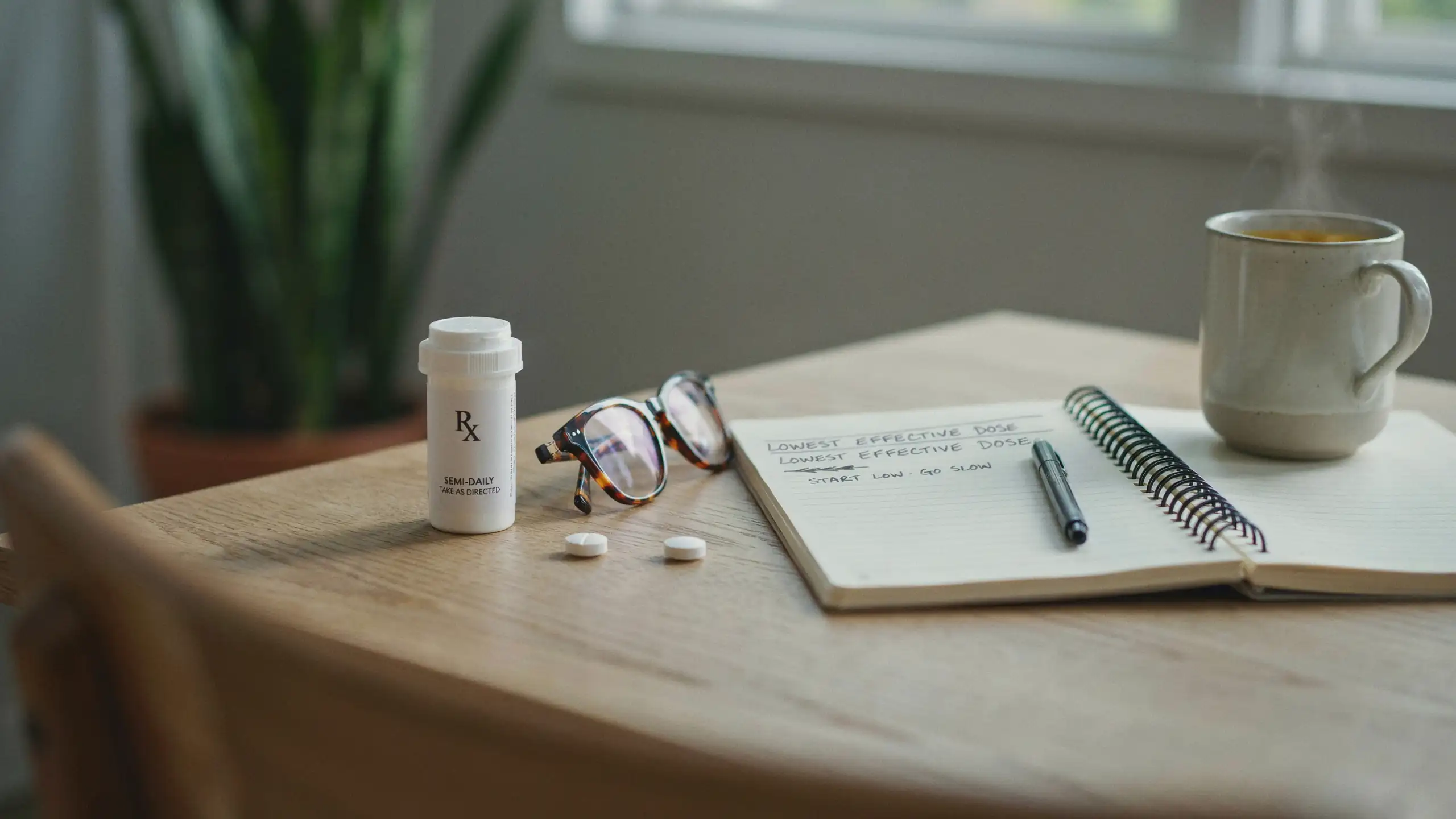
When I finally said yes to a GLP-1, the medication itself wasn’t the only thing I was nervous about.
It was the side effects.
If you’ve spent any time reading about these medications online, you’ve seen the stories. People stuck near a bathroom all day. People so nauseous they can’t look at food. People who quit after a few weeks because they just couldn’t take it anymore.
And honestly? Some of those stories are real. I’m not going to pretend they aren’t.
But they aren’t the whole picture either. For a lot of us sitting on the fence, the fear of side effects becomes one more reason to talk ourselves out of getting help we might actually need.
So I want to lay out exactly what I’ve dealt with two months in. What I felt, what I didn’t, and the pretty simple things that helped me get through it.
Why I Went In on a Low Dose Plan
If you read my last post on whether using a GLP-1 is cheating, you know I fought against these medications for years. Every time my doctor brought it up, I said I could do it on my own.
When I finally said yes, my doctor and I agreed on a plan. We weren’t going to ramp up to some crazy high dose like most do. The goal was to take just enough to quiet the food noise and tip the scales in my favor.
That decision matters for this post.
Side effects tend to be more common as the dose goes up, and a lot of people notice them most when they first start or right after a dose increase. My first month was at the 0.25mg starter dose, which exists mainly to let your body adjust. Last month I moved up to 0.5mg. So far I’m down 11 pounds, from 281 to 270.
Keep that in mind as you read. This is one person’s experience at the low end of the dosing range, not a promise of what yours will look like.
The Side Effects Everyone Warned Me About
The most common GLP-1 side effects are mostly stomach related: nausea, diarrhea, constipation, vomiting, stomach pain, heartburn, and a drop in appetite. Some people also deal with fatigue or headaches. For many people these are worst in the first few weeks or after a dose increase, then ease up as the body adjusts.
Part of that makes sense when you understand how the medication works.
GLP-1s slow down how quickly your stomach empties. Food sits around longer. That’s great for feeling full on less, but it also means the heavy, greasy meal you used to put away without thinking might sit a whole lot heavier now.
In other words, some of these side effects aren’t a sign something is broken. They’re a byproduct of the medication doing exactly what it’s supposed to do.
That doesn’t make them fun. But understanding the why took a lot of the fear out of it for me.
What I Felt
I’ll be honest: I haven’t gotten through this side effect free. Three showed up.
Nausea. This has been the biggest one. It’s usually short, but it has lasted up to about 30 minutes at a time. I get this more if I overeat and also if I go too long between meals, it’s the worst personally as it can happen on either side of hunger.
Diarrhea. Also short in duration. I haven’t had any serious ones that I think about currently but there have been a few episodes more tied to food choices and I’ve since removed the more greasy things as they seemed to be aligned to my issues. (Track in an app or in a journal in those first months, it will save your sanity)
Not feeling like eating. This one was the strangest to get used to. It’s very odd as I have gone 6+ hours not hungry and not even thinking about food, to someone who’s never had this “reality” is an odd adjustment.
Here’s the part people don’t talk about enough: not feeling like eating isn’t a free pass to skip meals. Your body still needs fuel, especially protein, if you want to lose fat and not muscle. I’ll get to how I’ve handled that.
The good news is all of it has been short lived. None of it has knocked me out of my day.
What I Didn’t Feel
The one I worried about most was constipation.
It’s one of the most talked about GLP-1 side effects, and I fully expected to deal with it.
It hasn’t been an issue at all.
And honestly? That’s worth saying out loud, because the internet mostly tells the bad stories. People who have a manageable experience don’t usually write long posts about it. That doesn’t mean you won’t have side effects. It just means the horror stories aren’t guaranteed.
What Actually Helped
Nothing fancy here. Three changes made the biggest difference for me.
More water
Diarrhea can pull a lot of fluid out of you, and when your appetite drops you’re also getting less water from food. So I’ve been making a point to drink more. Currently I start the day with at least 16 oz, then the choice is to ensure I drink 16oz around lunch and before dinner. Anything more I drink I consider a benefit.
Less greasy food
Since food sits in your stomach longer on a GLP-1, greasy, fried, and heavy foods can hit a lot harder than they used to. Cutting back on them has helped.
More protein in every meal
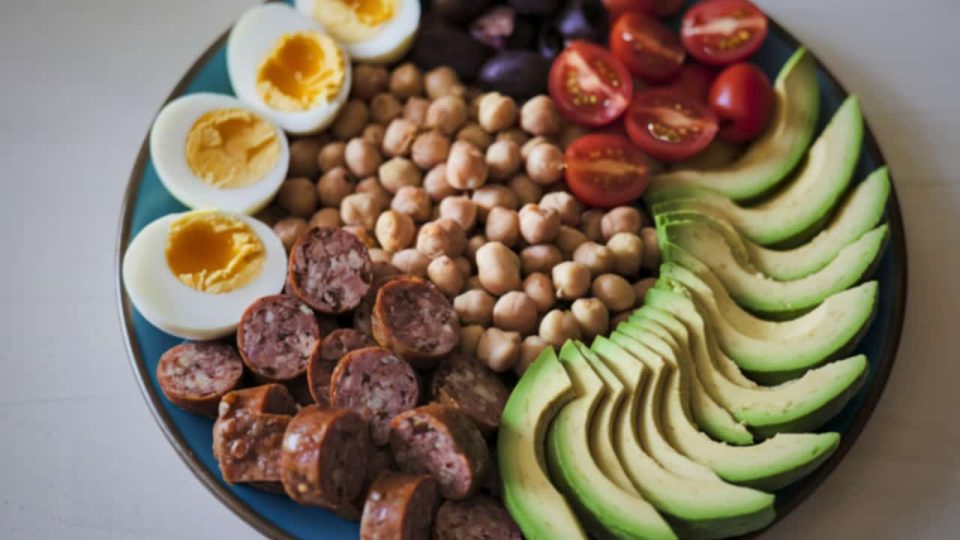
This one does double duty. When you don’t feel like eating much, every bite has to count, and protein helps protect muscle while you’re losing weight. I focus on making sure my foods have a solid portion be protein content vs calories. Basically, when I divide the calories by 10 do the calories stay proportional to protein or less than the protein grams. Simplest math and can be done on the fly in a grocery store without much mental need.
None of these are magic.
They’re the same boring basics most of us have heard a hundred times. The difference is that now I actually have the quiet in my head to follow through on them. The medication turns the volume down. I still have to make the choices.
When It’s More Than “Part of the Process”
A lot of us were raised to believe pain means it’s working. That if it doesn’t hurt, it doesn’t count.
I don’t buy that, and I don’t want you to either.
Pushing through something your body is clearly telling you is wrong isn’t a badge of honor. Mild, short side effects that ease up over time are common. Side effects that are severe or won’t go away are a different story.
Call your doctor if you have severe stomach pain that doesn’t go away (especially if it spreads to your back), vomiting or diarrhea you can’t keep fluids down through, signs of dehydration like dizziness or barely urinating, or pain in your upper right belly with fever or yellowing of your skin or eyes. Those can point to problems that need medical attention, not toughing it out.
And if your side effects just aren’t getting better, talk to your doctor about it. Changes to your dose or plan are a conversation to have with them, not something to figure out on your own.
Has It Been Worth It? My Honest Take Two Months In

For me, yes.
A few rounds of nausea, some quick bathroom trips, and meals I didn’t feel like eating, compared to years of fighting my own brain every hour of the day.
It’s not even close.
The food noise has quieted down. I feel good. And I’m 11 pounds lighter than when I started.
That doesn’t mean your experience will look like mine. Your body, your dose, and your history are your own. If side effects are the thing keeping you on the fence, talk to your doctor honestly. Ask what to expect, what to watch for, and whether a slower, lower dose approach makes sense for you.
And if you’re in it right now and struggling, drop the shame. Needing to adjust isn’t failing.
Growth is uncomfortable. That’s the whole point of hugging the cactus.
But uncomfortable and suffering for nothing are two very different things. You’re allowed to take care of yourself while you do the work.