For a lot of us, saying yes to a GLP-1 feels like the finish line.
We spent years arguing against it. Calling it cheating. Telling our doctor we’d figure it out on our own. So when we finally walk in and say “okay, I’m interested,” it feels like the hard part is done.
It isn’t.
Saying yes is the start of the conversation, not the end of it. And the quality of that conversation shapes everything that comes after: which medication you’re on, how fast you ramp up, how you handle side effects, and whether you come out the other side healthier or just lighter.
If you read my last post, you know I told my doctor no for years before finally agreeing to try one. This post is the follow up I wish more people had before they started.
Why the Conversation Matters More Than the Yes
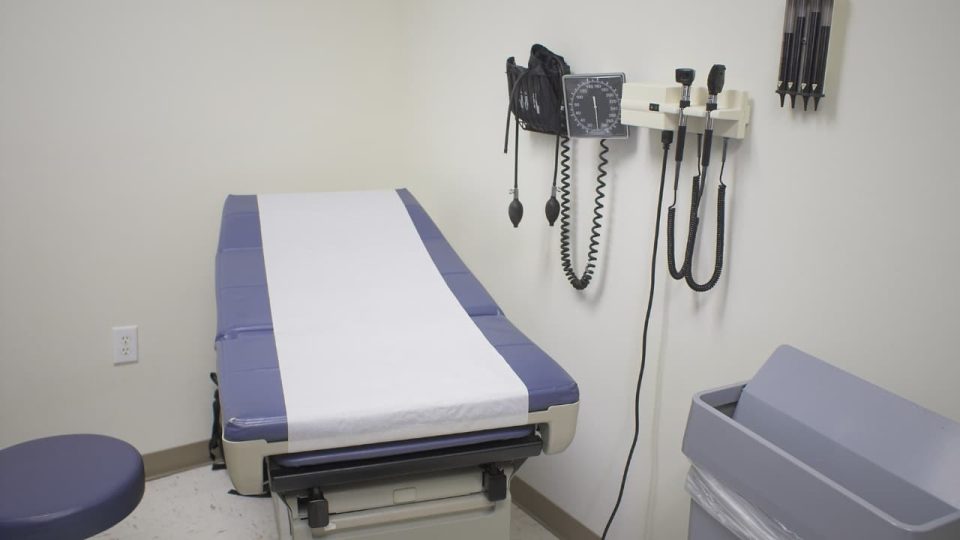
Most of us have been talked down to in a doctor’s office at some point.
We’ve had every problem blamed on our weight. We’ve been told to “just eat less and move more” like we’d never heard it before. So a lot of us walk into these appointments quiet, defensive, and ready to get out as fast as possible.
I get it. But this is one appointment where you can’t afford to sit back and nod.
Your doctor isn’t a gatekeeper you need to get past. They’re supposed to be your partner in this. And a good partner wants you asking questions, because the answers tell them things about you that a chart can’t.
I opened up with my doctor that I was seeming to fight an unending war with myself over food. He discussed with me the ins and outs and the reasons why I may be a prime candidate as I already work hard and the medicine may be the small nudge needed to begin winning this personal war on my obesity. I had loads of questions on the side effects, issues, and how to know if this is the right choice which he patiently answered with me.
I’ll want to be honest: these medications are powerful, and they’re defnitely not one size fits all. What worked for your coworker or the person in the comment section might not be the right plan for your body.
So here are some of the questions I’d bring to the table or think about beforehand and how they may match up to your needs.
Is This Actually Safe for My Body?
This is the first question, and it’s the one people skip because they’re excited to get started.
“Is there anything in my health history that makes a GLP-1 a bad idea for me?”
GLP-1s aren’t right for everyone. They carry a warning for people with a personal or family history of certain thyroid cancers (medullary thyroid carcinoma) or a condition called MEN2. Your doctor will also want to know about any history of pancreatitis, gallbladder problems, kidney issues, or serious stomach problems like gastroparesis.
Some of that is stuff you might not think to mention. Hell, a lot of us don’t know our family medical history as well as we should. If you’re not sure, ask a relative before your appointment.
“How will this interact with the medications I’m already taking?”
This one matters more than people realize. If you’re on medication for diabetes, especially insulin or certain pills that lower blood sugar, your doctor may need to adjust those so your blood sugar doesn’t drop too low. And because GLP-1s slow down how quickly your stomach empties, they can change how some other oral medications get absorbed.
Bring a full list. Prescriptions, over the counter stuff, supplements, all of it.
“Is there anything I need to know about pregnancy, birth control, or upcoming surgery?”
If there’s any chance you’ll be pregnant in the near future, this needs to come up early, since these medications generally need to be stopped well before trying to conceive. Some can also affect how well birth control pills work. And if you have any surgery or procedure coming up that involves anesthesia, your surgical team needs to know you’re on a GLP-1.
None of this is meant to scare you off.
It’s just the stuff you want on the table before the first dose, not after.
What’s the Actual Plan?
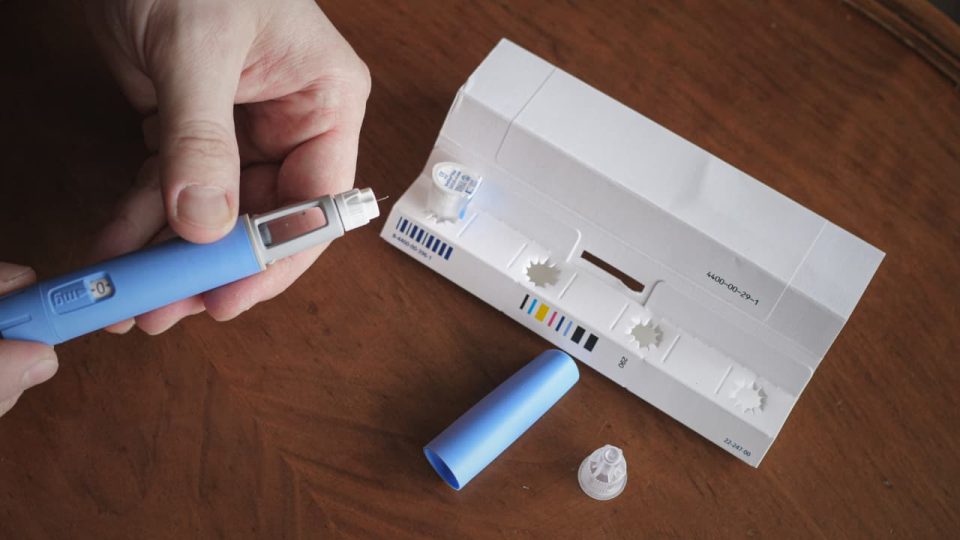
Once you and your doctor agree it’s safe, the next step is figuring out what the plan actually looks like.
“Which medication are you recommending, and why?”
Semaglutide (Ozempic, Wegovy) and tirzepatide (Mounjaro, Zepbound) work in similar but not identical ways. Your doctor may have a reason to lean one direction based on your health, your goals, or what your insurance will actually cover. Ask them to walk you through the reasoning.
“How are we handling the dose?”
This is the question I’d push people hardest on.
There’s a common assumption that the goal is to ramp up to the highest dose as fast as you can. For some people, that may be the right call. But it doesn’t have to be.
When my doctor and I talked it through, we deliberately went with a low dose plan. The goal wasn’t to crush my appetite into the ground. It was to take just enough to quiet the food noise and give me a fighting chance. I spent my first month on the 0.25mg starter dose and my second month on 0.5mg, and that’s where I’ve noticed a real difference.
That was my plan, built with my doctor for my body. Yours might look completely different, and that’s the point. Ask why your dose is what it is, and what would make them decide to raise it, hold it, or lower it.
The low dose approach felt right as I don’t want to starve myself and lose muscle in a race to the bottom of “weight loss,” I want fat loss. So taking the minimum necessary to tilt the scale into my favor can help ensure I stay hungry enough to consume protein and not avoid food and starve myself into “skinny fat.”
“How often will we check in, and what are we tracking?”
A good plan has follow ups built in. Ask how often you’ll be seen, whether you’ll need any lab work, and what they’ll be watching besides the number on the scale.
“What is this going to cost, and what happens if my coverage changes?”
Nobody likes talking about money in a doctor’s office, but you need to. Coverage for these medications varies a lot depending on your insurance and why it’s being prescribed. Ask what your options are if insurance won’t cover it, and ask your doctor directly what they think about compounded versions before you go looking online. The FDA has raised real concerns about some of them.
What Should I Expect Along the Way?
Here’s the part people don’t see in the before and after photos.
“What side effects should I expect, and when should I call you?”
Nausea is the big one for a lot of people, especially early on or right after a dose increase. Constipation, diarrhea, heartburn, and just feeling off are common too. Most of the time these ease up as your body adjusts.
But some symptoms aren’t the “ride it out” kind. Severe stomach pain that won’t let up, pain that wraps around to your back, or vomiting where you can’t keep fluids down are reasons to call your doctor right away. Ask them to be specific about where that line is for you.
“How do I make sure I’m losing fat and not muscle?”
This one doesn’t get talked about enough.
When you’re eating a lot less, your body doesn’t only pull from fat. It can pull from muscle too. And losing muscle is the last thing you want, because muscle is a big part of what keeps you strong, mobile, and able to keep the weight off later.
Ask your doctor how much protein makes sense for you and whether strength training fits into your plan. If they can refer you to a registered dietitian, take them up on it.
“What if I’m not eating enough?”
It sounds strange for those of us who’ve fought hunger our whole lives, but it happens. When the food noise goes quiet, some people swing too far the other way and barely eat. Ask what a reasonable minimum looks like so you’re fueling your body, not starving it.
What Happens When I Stop, and What’s Still on Me?
This is the question that separates people who just lose weight from people who keep it off.
“How long do you expect me to be on this?”
Many people stay on a GLP-1 long term. Others use it for a stretch and then taper off. There isn’t one specific right answer, but you should know what your doctor is thinking going in to be on the same page.
“What happens if I stop?”
Research has shown that a lot of people regain a meaningful amount of weight after stopping, especially if nothing else in their life changed while they were on it. That’s not a reason to avoid the medication. It’s a reason to take the next question seriously. You must be working to change behaviors for true long term success, not leaning on starvation.
“What should I be building while I’m on it?”
The medication changes the starting line. It doesn’t run the race for you.
I still decide what goes on my plate. I still have to move my body. And I still have to deal with why I turned to food in the first place, whether that was stress, boredom, comfort, or plain old habit. Figuring that out is where the long term win actually lives.
Ask your doctor if they can connect you with support beyond the prescription. A dietitian, a therapist, a support group, whatever fits. Getting that kind of help isn’t weakness any more than the medication is.
And here’s the last question, and it’s one you ask yourself, not your doctor:
Be honest with yourself and answer,”am I ready to do the work that the medication can’t?”
If the answer is yes, then walk into that appointment prepared. Bring your list. Ask the awkward questions. Push back if something doesn’t make sense to you.
You’ve spent years fighting this on your own.
Saying yes to a GLP-1 was the start of the conversation.
Now keep it going. At every check in, every dose change, every time something feels off, keep asking. You deserve a plan you understand and a doctor who’s actually in your corner.