Nobody Posts the Side Hustles That Flopped. So Here Are Mine
You've seen the thumbnails. Some guy pointing at a screenshot of his bank account. "How I make $10k a month with this one side hustle." "Quit your job in 90 days." Big arrows, shocked faces, a dashboard full of green numbers. What you never see is the other folder. The hustles that cost money instead…

Josh Koop
My test description to showcase on the template
You’ve seen the thumbnails.
Some guy pointing at a screenshot of his bank account. “How I make $10k a month with this one side hustle.” “Quit your job in 90 days.” Big arrows, shocked faces, a dashboard full of green numbers.
What you never see is the other folder. The hustles that cost money instead of making it. The months of work that went nowhere. The stuff that sounded amazing on paper and fell apart the second it touched real life.
Everybody has that folder.
Nobody posts it.
So I’m going to. I’ve been trying side hustles for a long time now, and plenty of them flopped. Some flopped hard. A couple of them actually worked. And honestly? The flops taught me more than the wins did.
Here’s all of it.
Flop #1: Running phpBB Forums (All Cost, No Conversation)
My first real side hustle was running forums on phpBB.
The idea made sense at the time. Build a community, get people talking, and the traffic and income would follow. That’s how it was supposed to work, anyway.
I ran them for about a year. It cost me roughly $100 for hosting and the domain, which doesn’t sound like much. But here’s the thing about a forum: it’s only worth anything if people actually talk on it.
And they didn’t.
There was very little interaction, which meant no real traffic, which meant no income. Just me, paying for a quiet room nobody wanted to hang out in.
It crashed and burned.
In the end while I had passion for the topic and forum content this may have been too early of days to easily acquire members since SEO was not top of mind.
The lesson I took from it was simple: a community needs people before it needs a platform. I built the room first and hoped people would show up. That’s not how it works.
Flop #2: Dropshipping and the “No Inventory” Myth
Next up was ecommerce, and specifically dropshipping, back around 2014.
If you’ve never heard the pitch, it goes like this: you sell products online without ever holding any inventory. Someone orders from your store, the supplier ships it straight to them, and you keep the difference. No warehouse, no boxes in your garage, no risk.
Sounds great, right?
I spent about six months trying to find the right products. Testing, swapping, testing again. And here’s what the pitch leaves out: dropshipping is highly ad driven.
You don’t have inventory, sure. But you also don’t have customers. So you end up paying for ads, over and over, with the hope that some of those clicks turn into sales. I spent roughly $250 on ads, and that’s in 2014 dollars.
In other words, “no inventory” doesn’t mean no cost. It just means your money goes to ad platforms instead of a warehouse. And unlike a warehouse full of products, when the ad money is gone, you’ve got nothing to show for it.
It flopped. Super hard.
The Middle Ground: Niche Websites That Actually Sold
After dropshipping, I spent some time growing my career and stepping away from online work. Once more established I researched and moved into niche websites, and this is where things finally started to work.
I’ll be honest though, “work” comes with an asterisk.
Over roughly five years, I sold 11 niche sites. Many of them sold for five figures. That sounds great, and it was, but the true cost behind those numbers was a lot of time and effort. Back in the age of search, it took about 12 months of steady work before a site really started seeing traffic.
Twelve months of writing, building, and waiting before you know if it’s going anywhere.
The best example was a blog I built on Carnivore dieting. That one sold after only 12 months for low five figures.
And the reason it worked so well wasn’t some secret strategy.
I was early.
The niche was just starting to take off, and I was there before most people. That’s when niche blogs worked best: when you got in early on something people were starting to search for, before everyone else piled in.
What Niche Sites Look Like Now: A 24 to 36 Month Money Pit
Here’s where I have to be fair to anyone thinking about starting a niche site today.
Search is not the same as it was.
The playbook that worked for me and many others for years doesn’t work like it used to. Getting traffic from search is harder, slower, and a lot less predictable. So for most people, a niche site today is a loss leader. If you don’t already have a big fan or follower base, it’ll most likely be a money pit for 24 to 36 months before it pays you anything meaningful.
That’s two years. Maybe more.
The only exception I’d make is if you’d blog on that niche out of absolute love and passion. If you’d write about it for free anyway, the long wait doesn’t sting nearly as much. But if you’re only in it for the money?
I’d look somewhere else.
That’s actually a big part of why this site exists the way it does. These days I build around things I love, where income isn’t the end all be all. The focus here is helping people with the things I care about, and I talked more about that in my post on why I don’t plaster this site with ads.
What Actually Works for Me Now: Kindle eBooks
So what’s actually working?
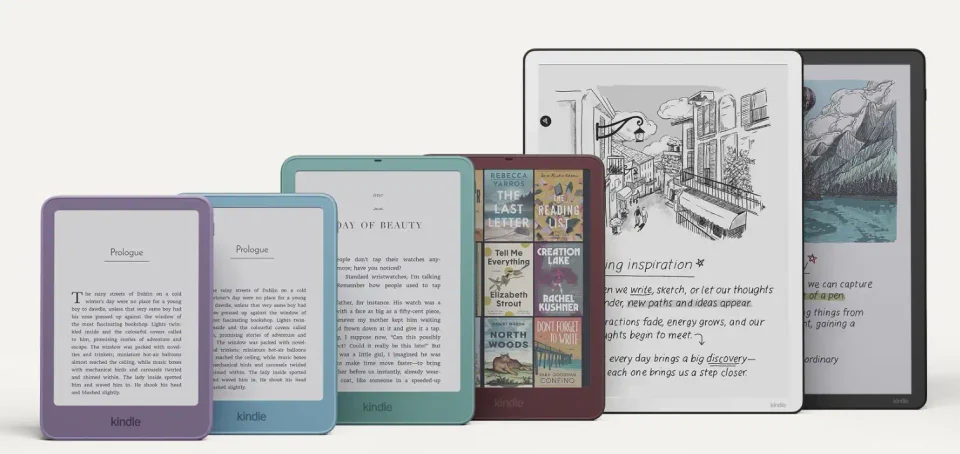
The first one is Kindle eBooks.
I’ve built up a library of about 160 ebooks over this year, and right now they earn me somewhere between $300 and $600 a month. At this point, it’s highly passive. The books are out there doing their thing whether I’m working on them that week or not.
But I want to be clear about what kind of books these are, because this matters.
I don’t do the low content stuff. No coloring books, no blank journals, no spammy filler that floods Amazon and gives the whole thing a bad name. Mine are learning-based, full content eBooks, books that actually teach someone something.
It took real work to get to 160. But that work keeps paying, month after month, and that’s a very different feeling than paying for ads and hoping.
The New One: Amazon Influencer Program
This second one is newer, and honestly, I’m pretty excited about it.
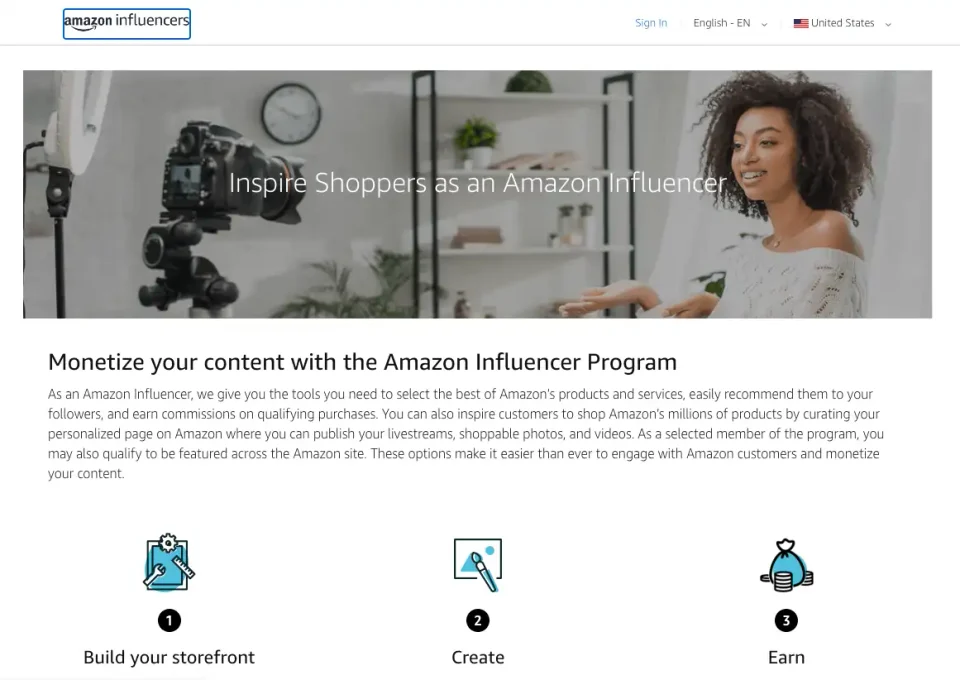
I just started the Amazon Influencer Program (AIP). If you haven’t heard of it, you create short first person videos reviewing products but not selling, and those videos can show up right on Amazon product pages. When someone watches your video and buys, you earn a commission.
Here’s how my first couple of months have gone:
My first month brought in about $50. The second month came in at almost $80. And now, less than two months in, I’m looking at my first $100 month.
That’s not life changing money. I’m not going to pretend it is. But look at the trend line, and look at the effort behind it.
In August I made 45 videos. In September I made 75. So far in October I’m at 39, and I’m aiming to hit 100 this month.
I think AIP has the perfect mix for a lot of people. The time per video is small enough to fit around a full time job, and the videos live right where people are already ordering. If you’re willing to put in the work to make 100+ videos, I think it can be successful for many people.
Why These Two Work When the Others Didn’t
Here’s the part that ties it all together.
Both of the side hustles that work for me run through Amazon. And Amazon has a gigantic user base that’s already there, already shopping, and already ready to buy.
I don’t have to build the traffic. I don’t have to pay for ads hoping someone clicks. I don’t have to wait 24 months for search to notice me.
And I don’t have to be a pushy salesman.
Sales just come, because I’m putting something genuinely useful in front of people who were already looking for it. That’s why I’m continuing to grow both the eBooks and the influencer videos. They’re not stressful, and they don’t ask me to compromise how I treat people.
Compare that to my flops. The forums needed people I didn’t have. Dropshipping needed ad money I kept burning. Niche sites needed time, and now even more of it.
The ones that work meet people where they already are.
So, What Side Hustle Should You Start? My Honest Answer
I’m not going to tell you there’s one perfect side hustle. There isn’t. Anyone who tells you otherwise is probably selling a course.
But here’s what I’d tell anyone starting today, based on every flop and every win I’ve had:
Go where the people already are. Building an audience from scratch is the hardest, slowest part of any hustle. If you can plug into a place where buyers already exist, you skip years of waiting.
Be wary of anything that needs ad money up front. If the plan is “pay for ads and hope,” you’re gambling, not building.
If you choose something slow, like a blog, pick something you love. Because you’re going to be at it a long time before it pays.
And make something that actually helps people. Full content books, honest videos, real recommendations. The spammy stuff might make a quick buck, but it won’t last, and it won’t let you sleep well either.
Most of all, don’t be scared of the flops.
I’ve got a whole folder of them. Every one cost me something, whether that was time, money, or a little pride. But every one of them pointed me closer to what actually works.
The difference between people who find a side hustle that works and people who don’t usually isn’t talent.
It’s that the first group didn’t quit after the first flop.